I like to believe that I have compassion and love for all living things. I’m not so afraid of spiders and snakes, which are very typical phobias among people, that I will actively try to avoid them.
I suppose you could say that I have a high sensitivity for creepy crawlies….. Not with ticks, though.
No, as embarrassing as it is for me to say, I wouldn’t sleep a wink if ticks disappeared tomorrow. The problem is that they can be harmful in addition to being bothersome, intrusive, and, well, enough to make most people cringe.
It goes without saying that ticks are not the greatest house guests to host because they can spread crippling illnesses like Lyme disease and Rocky Mountain spotted fever.
Nevertheless, your chances of coming into contact with ticks can be rather high, depending on your location, the season, and whether you have pets at home.
What should you do, therefore, if and when you discover one of these microscopic scourges within your own house? Well, that’s the question you’re all here to answer, so let’s get started right away.
Determine and separate the issue
Identifying the sort of tick—whether it’s a brown dog tick, a dog tick, or a black-legged tick—is a smart idea. Keep your kids and pets away from the tick until it is removed if it is found in a particular place.
Protective measures
Wear gloves and long sleeves to protect your skin from the tick’s ability to attach itself to you.
Make sure everything is clean.
Any clothing or bedding that the tick has come into contact with should be washed thoroughly. Turn the heat up to high. Pay close attention to corners and crevices while you vacuum the area.
Elimination of ticks
Hold the tick as close to the skin’s surface as you can with fine-tipped tweezers. To prevent the tick’s head from breaking off and staying in your skin, slowly pull upward without twisting or jerking.
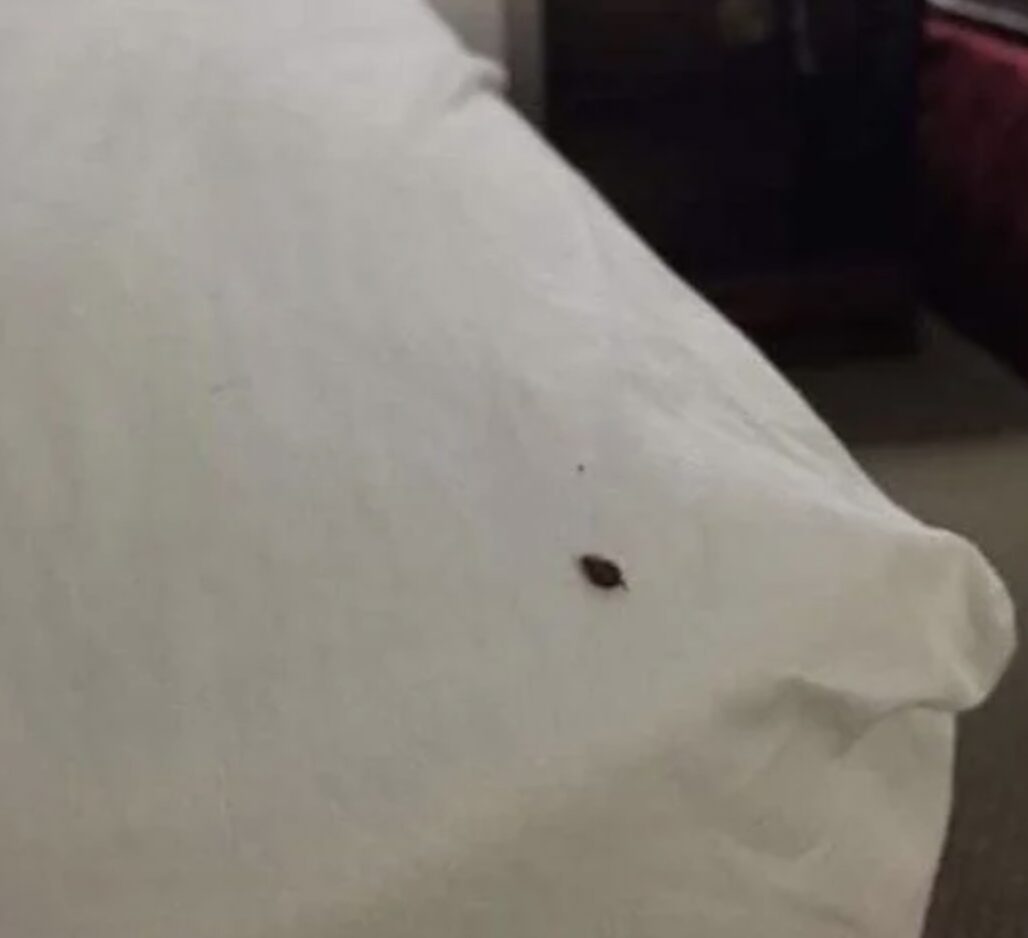
After removal, use soapy water or alcohol to clean any bite locations. The tick can be flushed down the toilet or disposed of with alcohol.
Keep an eye on your bite.
It’s wise to keep an eye out for any bite sites you come across and to keep an eye out for any symptoms in the victim.
I hope this is useful! Spread the word by sharing this post on Facebook.