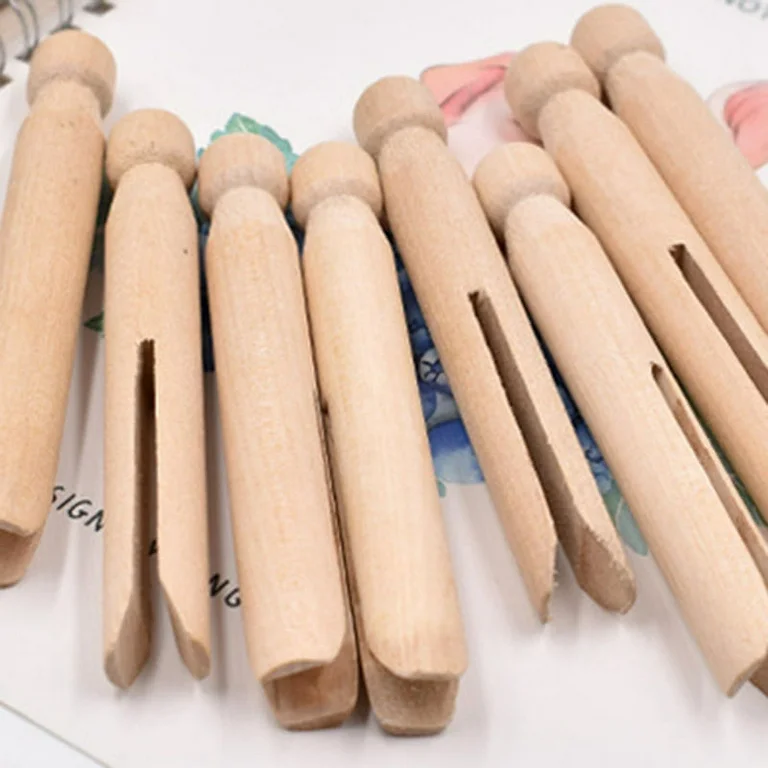
The phrase “I Found These At My Grandma’s House And Have No Idea What They Are” is common and frequently enjoyable.The discovery of an unknown item concealed in an attic, basement, or deep among antique drawers frequently initiates this straightforward statement and sets off an engrossing voyage into the past. Maybe it looks like an old-fashioned tool, a distinctively designed piece of vintage décor, or anything so out of the ordinary that it seems to be from an other time period. You may feel intense interest and a strong desire to solve the riddle in front of you after this epiphany. You may be confident that there is a methodical way to recognize and comprehend these mysterious discoveries, turning them from unidentified oddities into possibly significant artifacts from the past.
To assist you uncover the mystery of those unknown items you might find at your grandmother’s house, this post will walk you through a thorough, step-by-step procedure. By taking these actions, you might not only be able to identify the item but also possibly uncover an intriguing historical episode associated with it.
The first step is to thoroughly examine the object.
It’s important to carefully examine the thing in question before drawing any inferences or assumptions. Keep an eye out for a few crucial traits:
Size and Shape: Start by observing the object’s general dimensions and shape. Is it large, like a piece of furniture, or little, like a piece of delicate jewelry? Comprehending its dimensions and form can yield preliminary hints regarding its possible application.
Material Composition: Pay close attention to the materials used to make the item. Is it made of glass, ceramics, wood, metals (such as copper, brass, or iron), or even early prototypes of plastic? Remember that older artifacts tend to be made of natural materials like wood and bone, or heavier metals or brass components.
The existence of moving componentsVerify whether the item has any moveable parts, such as winding mechanisms, gears, screws, hinges, or levers. Such components frequently suggest that the object was a toy, a working machine, or a mechanical tool.
Markings or engravings:Look closely for any stamps, serial numbers, maker’s marks, logos, inscriptions, or words on the object’s surface. Tracing the origin, manufacturer, or intended use of an object can be greatly aided by these indications. Never be afraid to thoroughly inspect any faint or small engravings with a magnifying glass if you think they might contain an important clue to the identification.
Step 2: Take Pictures and Start an Internet Search

The next logical step after carefully examining the item’s physical characteristics is to visually record it. Take crisp, well-lit pictures of the item from various perspectives. You’ll need these photos for your web research. Make use of reverse image search engines, which let you upload a picture and look up visually related content online. Among the useful tools are:
Google Lens: This robust technology, which is built into the Chrome browser and Google search app, lets you upload your photo and use Google’s enormous image library to locate possible matches.
Another trustworthy reverse image search engine that focuses on locating a picture’s web appearance is TinEye.
eBay and Etsy are two surprisingly useful online marketplaces for purchasing and selling antique and vintage goods. Finding objects that visually like your mystery object could provide important hints about its identity and its worth.
You may be lucky enough to find a straight match or an extremely comparable item really fast due to the vast amount of information on antiques and collectibles that is available online.
Step 3: Consult Experts and Family for Insights
If your internet searches don’t yield a clear-cut response right away, it’s time to expand your search by using human knowledge:
Family Members: Speak with elderly family members, especially if they may remember your grandmother using or possessing the object. They might be able to identify it right away and offer insightful background on its origins and familial usage.
Local Antique Stores: Go to respectable local antique stores. With their extensive understanding of vintage and antique things, the staff members may be able to identify your item or guide you to more resources for additional research.
Online forums and Facebook groups:Unknown object identification can be greatly aided by online communities. Sites like the “What Is This Thing?” subreddit are teeming with eager people who relish the challenge of cracking such riddles and might be able to offer prompt and precise identifications. These areas are frequented by a large number of collectors and history aficionados who have specific knowledge.
Step 4: Take into Account the Historical Era
It probably comes from a certain historical period if your grandmother held it for a long time. You can refine this timeline by knowing the object’s overall style and materials:
Victorian Era (around 1837–1901): Artwork from this era frequently consists of elaborate craftsmanship, heavy metals like cast iron, and elaborate motifs.
Mid-Century Modern: This period, which approximately spans the 1940s to 1960s, is distinguished by streamlined, practical forms, the use of novel materials like Formica and plastic, and an overall “space-age” aesthetic.
Retro (approximately the 1970s–1990s): Items from this more recent era were usually mass-produced and had vivid colors and striking modernist shapes.
Understanding the object’s possible purpose and context can be greatly aided by determining the likely chronological period of its genesis.
Step 5: Examine Its Possible Purpose
After gaining a rough notion of what the object might be, further investigate the uses of related objects. Some types of items that are commonly seen in older homes can be especially confusing:
Old Kitchen Devices: These can include specialist products like butter molds or early coffee grinders, as well as odd utensils and hand-cranked mixers.
Vintage Beauty Tools: You may come across early hair crimpers, fire-heated curling irons, or straight razors with elaborate handles.
Antique tools could include hand drills, specialty nutcrackers, or implements made for particular farming jobs.
Medical Equipment: You may occasionally come upon odd-looking syringes, antique glass thermometers, or even crude surgical instruments.
Looking through historical records, instruction manuals, or past ads for comparable products can reveal important information about their intended use.
Step 6: Assess Its Possible Worth
You might be interested in the item’s monetary worth if your investigation indicates that it might be rare or collectible. To gain a sense:
Examine Similar Listings: For listings of similar goods, check online markets such as eBay, the websites of specialty antique stores, and online communities devoted to collectors. Take note of these comparable objects’ selling price, rarity, and condition.
Speak with a Qualified Appraiser:Consider getting an appraisal from a certified expert in antiques and collectibles if you think the item is especially valuable or historically significant. They can offer a professional appraisal based on their understanding of market trends.
Think about collections in museums:Very old or historically significant items may occasionally be better preserved in a museum collection than sold. Finding out if comparable objects are kept in museum archives might help put its significance in perspective.
Keep in mind that an item may have great sentimental or historical significance for your family even if it has little monetary value.
Final Thoughts: Revealing the Tale
One of two things will ultimately arise from your quest for knowledge: either you will be able to identify the enigmatic object and possibly discover an intriguing tale connected to it, or you will conclude that it is just an ancient, possibly less important artifact. Whatever the conclusion, the study process itself can be interesting and instructive, giving you a concrete link to the past.
Therefore, fight the desire to throw something away right away the next time you find something odd in your grandmother’s home and think, “I Found These At My Grandma’s House And Have No Idea What They Are.” Instead, start this methodical investigation. The buried history and the treasures that are just waiting to be discovered may surprise you!
Have you ever visited your grandmother’s house and come across an enigmatic object? Please leave a remark below with your experiences and any identification advice you may have!